
Europe to Phase Out Passport Stamps from October 2025: What Indian Travelers Need to Know


 Whatsapp
 Europe to Phase Out Passport Stamps from October 2025: What Indian Travelers Need to Know
Starting October 2025, Indian travelers heading to Europe will experience a new kind of border control — one without passport stamping.
Starting October 2025, Indian travelers heading to Europe will experience a new kind of border control — one without passport stamping. Instead, entry and exit data will be digitally recorded under the EU’s Entry/Exit System (EES), replacing manual stamps with biometric verification.
At StampThePassport, we’ve been tracking this change closely because it’s one of the biggest shifts in how Schengen borders will operate in decades. Whether you’re traveling for leisure, work, or study, this move affects everything — from visa processing to re-entry rules.
In this blog, we’ll explain what the passport stamp phase-out means for Indian citizens, how it connects to ETIAS, and what steps you should take before the transition begins.
Why Is Europe Phasing Out Passport Stamps?
The European Union is moving toward a fully digital border system called the Entry/Exit System (EES). It’s designed to enhance security, streamline travel, and automate record-keeping.
Here’s what’s changing:
- No more ink stamps: Instead of stamping your passport at every entry or exit, border officers will record your biometric and travel data in a central system.
- Digital tracking: The EES will automatically calculate how long you’ve stayed within the Schengen Area, ensuring compliance with the 90/180-day rule.
- Biometric verification: Travelers will scan fingerprints and facial images instead of presenting paper visas or entry stamps.
Why this matters for Indian travelers:
India is among the top non-EU countries sending visitors to the Schengen region. The EES aims to reduce queues, stop overstays, and make border crossings smoother — but it also means every trip will be digitally logged, so accuracy in your visa application and travel dates becomes crucial.
What Exactly Is the Entry/Exit System (EES)?
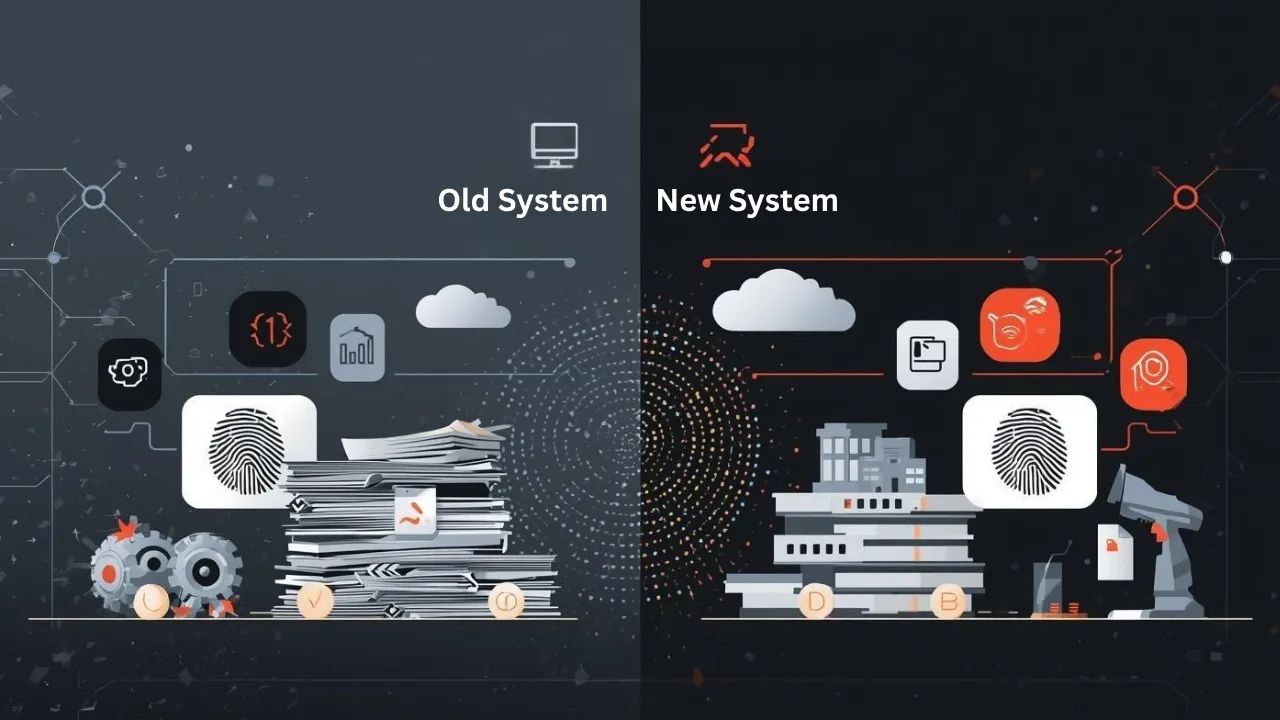
The Entry/Exit System (EES) is an EU-wide biometric border database launching in October 2025. It will replace manual passport stamping for all short-stay visa holders (like Schengen C-type visas) and visa-exempt travelers.
Here’s what it will store:
- Full name, passport details
- Digital facial image and fingerprints
- Date and place of entry and exit
- Visa validity information
For Indian citizens, this means that once you enter a Schengen country, your stay duration is tracked automatically. If you overstay your visa — even by a day — it will reflect in the system, potentially affecting future applications.
According to the European Commission, the EES is part of a broader digital migration framework that includes ETIAS (the European Travel Information and Authorisation System), which will come into effect soon after.
How Will It Affect Indian Travelers?
If you’ve been to Europe before, you know the routine: immigration stamps your passport on entry and exit. Starting October 2025, that’s changing completely.
Here’s how the transition will affect Indian travelers:
- Digital Entry Logs – Every entry and exit from the Schengen Zone will be recorded automatically. You’ll no longer need to rely on stamps to prove your travel history.
- Tighter Overstay Monitoring – The system will instantly flag anyone staying beyond their allowed duration. Future visas could get rejected if the system detects an overstay.
- Simplified Border Process – Although you’ll provide biometric data once, future entries will be faster as your data will already exist in the system.
- Visa Renewal Accuracy – When applying for your next Schengen visa, embassies will cross-check your past travel dates from EES instead of stamps — so every detail matters.
- No Impact on Long-Stay (D) Visas – Students and professionals on long-term visas will continue using existing residence permits, but their entry will still be recorded digitally.
ETIAS vs. EES: What’s the Difference?
Two acronyms, one big change. Here’s how to understand them:
| System | What It Does | Applies To | Launch |
| EES (Entry/Exit System) | Records entries/exits and biometrics | All short-stay travelers (visa-required + visa-free) | Oct 2025 |
| ETIAS (European Travel Information and Authorisation System) | Pre-travel authorization for visa-exempt countries | Non-EU visa-free travelers (e.g., U.S., U.K.) | Post-2025 |
Since Indian travelers already need a Schengen visa, ETIAS doesn’t apply to us yet. But EES does, and it will be mandatory at all Schengen airports, ports, and land crossings.
Which Countries Are Part of This Change?
The EES will cover all 27 Schengen countries, including popular Indian tourist destinations such as:
- France
- Germany
- Italy
- Spain
- Switzerland
- Netherlands
- Greece
- Portugal
Plus, non-EU countries like Norway, Iceland, and Switzerland are part of Schengen and will implement EES as well.
For Indian travelers flying into hubs like Paris, Frankfurt, Amsterdam, or Zurich, biometric collection points will be installed across major entry points.
How to Prepare for Your 2025 Europe Trip?
If you’re planning a trip in late 2025 or beyond, here’s what we at StampThePassport (STP) recommend:
- Apply Early: Schengen visa timelines may temporarily slow during EES rollout. Start your visa process at least 60 days in advance.
- Keep Your Travel Dates Clear: Since the EES tracks entries automatically, ensure your flight and hotel bookings match your visa dates.
- Get Your Biometrics Done Once: During your first entry after October 2025, your fingerprints and face scan will be captured. Keep the confirmation slip safely.
- Track Your Stay: You can request EES records to verify your compliance with the 90/180 rule.
- Stay Updated: Check for embassy or consulate advisories before departure.
🧳 Pro Tip: If your Schengen visa was issued before October 2025, you can still use it — but your entry will still be recorded under EES.
FAQs: Europe’s Passport Stamp Phase-Out.
1. Will my passport no longer get stamped?
Correct — from October 2025, all Schengen entries/exits will be digital.
2. What if I overstay by a day?
The system records this automatically, which may impact future visa approvals.
3. Do I need to reapply for a new visa because of EES?
No, existing visa categories remain the same. Only the tracking method changes.
4. Is ETIAS the same thing?
No, ETIAS is for visa-free travelers. Indians still need a Schengen visa.
5. Will biometric collection delay arrivals?
Initially yes, but once stored, future entries will be faster and smoother.
Conclusion: Travel Smarter with StampThePassport.
As Europe moves toward biometric border control, Indian travelers must adapt — and stay informed. The shift to EES marks the end of ink stamps but also the start of smoother, more transparent travel across Europe.
At StampThePassport, we’re already helping thousands of travelers navigate visa changes with ease — from filing error-free Schengen applications to guiding you through EES readiness.
Stay updated, travel smart, and let us handle the complexities for you.
👉 Contact StampThePassport today for expert visa guidance and Europe travel assistance before the new rules roll out in October 2025.
Was this helpful?
people found this helpful
Related Tags
Why Is Europe Phasing Out Passport Stamps?
What Exactly Is the Entry/Exit System (EES)?
How Will It Affect Indian Travelers?
ETIAS vs. EES: What’s the Difference?
Which Countries Are Part of This Change?
How to Prepare for Your 2025 Europe Trip?
FAQs: Europe’s Passport Stamp Phase-Out.
Conclusion: Travel Smarter with StampThePassport.
Related Tags


- Country